Community
Results for key races in 2026 Illinois midterm election
By Mark Thompson
Advertisement · Why this ad?
Keisha Patel, a former athlete and graduate of the University of Chicago, has spent the last seven years covering local high school and college sports. Her passion for sports shines through her articles, encouraging community support for local teams.
More from Keisha →
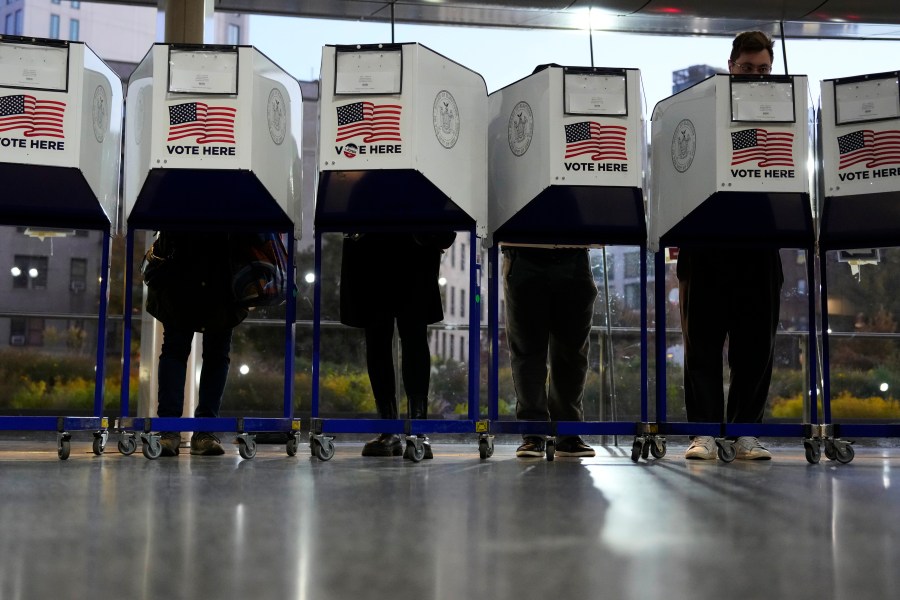
As the sun began to rise over Chicago, the anticipation of Election Day filled the air. Voters lined up outside polling places, some clutching coffee cups, others chatting animatedly about the candidates. Yet, amid this vibrant atmosphere, a sense of frustration began to brew as long lines and missing ballots turned what should have been a celebration of democracy into an exercise in patience.
On a day that promised civic engagement, reports emerged from several precincts across the city indicating significant delays due to long lines and a shortage of ballots. Voters at locations such as the Chicago Board of Election Commissioners experienced wait times that stretched beyond an hour, with some precincts running out of ballots entirely. This situation left many voters frustrated and concerned that their voices might not be heard.
As candidates awaited the results, voters were left standing in lines that snaked around blocks. In some cases, individuals reported waiting upwards of two hours to cast their votes. The delays sparked questions about the preparedness of the election infrastructure in a city that prides itself on its democratic processes.
Community members expressed a range of emotions as they navigated the challenges of voting on this pivotal day. "I’ve always believed in exercising my right to vote, but this is ridiculous," said Maria Gonzalez, a lifelong Chicago resident who waited in line for nearly two hours. Her sentiments echoed the frustrations of many who had taken time off work or arranged childcare to ensure they could participate in the electoral process.
Many voters shared their experiences with friends and family, creating a ripple effect of frustration throughout the community. Social media posts reflected a growing sense of urgency, with hashtags like #ChicagoVotes trending as citizens documented their struggles and called for accountability from local officials.
Local organizations, such as Chicago Votes, rallied to encourage voter participation, but the logistical issues raised concerns about disenfranchisement. "It’s disheartening to see people who are eager to vote being turned away or left waiting indefinitely," said executive director, Laura Smith. "Every vote matters, and we need to ensure that everyone has the opportunity to make their voice heard without unnecessary barriers."
In addition to Smith's comments, activists from grassroots organizations voiced their concerns at a press conference held later that week. They highlighted the need for systemic changes to the voting process, urging city officials to invest in better training for poll workers and to increase the number of ballots available at polling places. The community's response highlighted a collective commitment to democracy, even in the face of adversity.
Election officials, tasked with ensuring a smooth voting process, faced immense pressure as the situation unfolded. According to a statement from the Chicago Board of Election Commissioners, they acknowledged the problems and attributed them to an unexpected surge in voter turnout.
"We prepared for a busy day, but we did not anticipate the overwhelming response from the community," said board spokesperson, James Reynolds. He emphasized that officials were working diligently to resolve the issues, including dispatching additional ballots to precincts in need and extending voting hours where possible.
However, the response from the election officials did little to quell the frustrations of voters who felt that their rights were compromised. Many believed that the city should have been better prepared for the election, especially in light of the significant voter engagement seen in previous cycles. The lack of foresight raised questions about the allocation of resources and planning for future elections.
The challenges faced on Election Day sparked a broader conversation about the importance of accessible voting in Chicago. Community leaders emphasized that every citizen deserves the right to participate in the democratic process without facing hurdles. The long lines and missing ballots served as a reminder of the ongoing work needed to ensure that voting is equitable for all.
In a city known for its diverse population, the ability to vote freely and fairly is paramount. Local advocacy groups are calling for reforms to improve the voting process, including better training for poll workers and increased resources for polling places. These changes could help to alleviate the issues experienced on this Election Day and ensure that future elections run more smoothly.
Moreover, the community's response to the voting issues has the potential to galvanize a new wave of civic engagement. Many residents are now more motivated than ever to participate in local government meetings and advocate for policy changes that address the systemic barriers to voting. This grassroots movement could lead to significant reforms in how elections are conducted in Chicago.
For those who faced difficulties on Election Day, resources are available to help navigate the aftermath. The voting issues provides information on how to report voting issues and ensure that every vote is counted. Voters can also access support from organizations like Common Cause, which works to protect voting rights and promote fair election practices.
In addition, local community centers and libraries are stepping up to provide voter education workshops, helping residents understand their voting rights and the processes involved in casting their ballots. These initiatives are crucial in empowering citizens, especially those who may have felt disenfranchised or confused by the voting process.
As the dust settles on this tumultuous Election Day, Chicagoans are left to ponder what the future holds for the city's electoral process. While the challenges faced were significant, they also sparked a renewed commitment to ensuring that every voice is heard. The community's resilience in the face of adversity speaks volumes about the spirit of Chicago.
Looking ahead, it is vital for local leaders and election officials to work together to address the shortcomings exposed during this election. By prioritizing accessible voting and enhancing the infrastructure that supports it, Chicago can take steps toward a more equitable democratic process.
The upcoming elections will serve as a test of the changes implemented in response to the challenges of this year. As residents continue to advocate for their rights and the integrity of the electoral process, one thing remains clear: the heart of Chicago beats strongest when its citizens are engaged and empowered. The road ahead may be fraught with challenges, but the determination of the community to ensure fair and accessible voting will be a driving force for change.
By Mark Thompson
By Mark Thompson
By Mark Thompson
By Keisha Patel